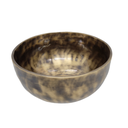

How to Care for a Singing Bowl
Essential dos and don’ts for cleaning, handling, playing, storing and transporting a handmade metal singing bowl without damaging its finish or resonance.
A handmade singing bowl does not need to look brand new to be well cared for. The safest approach is gentle: keep it dry, support it properly, remove fingerprints and dust, and avoid aggressive polishing.
The golden rule: preserve the bowl, not the shine
Singing bowls are working musical instruments, but they are also handcrafted metal objects. Their sound depends on the shape, wall thickness, rim and distribution of mass. Any denting, grinding, harsh polishing or poorly planned repair can change the way the bowl vibrates.
A darkened surface is not automatically damage. Bronze and other copper-based alloys naturally change colour over time. On an older, engraved, chemically darkened or intentionally patinated bowl, that surface can be part of its character and may provide some protection.
Singing bowl care: dos and don’ts
✓ Do
- Use clean, dry hands when handling the bowl.
- Wipe fingerprints with a soft microfiber or cotton cloth.
- Place the bowl on a felt ring or stable cushion.
- Use a mallet suited to the bowl’s size and finish.
- Apply light, even pressure when circling the rim.
- Store it in a dry indoor location.
- Wrap each bowl separately during transport.
- Inspect the rim and body regularly for cracks or active corrosion.
× Don’t
- Do not use steel wool, scouring pads or rough brushes.
- Do not soak the bowl in water.
- Do not use bleach, ammonia or strong commercial polish.
- Do not scrub engraved, painted or darkened surfaces.
- Do not strike the bowl as hard as possible.
- Do not store bowls touching each other without padding.
- Do not leave the bowl in a damp basement, bathroom or car.
- Do not hammer out dents or solder cracks at home.

How to clean a metal singing bowl safely
Most bowls only need dry cleaning. Start with the least aggressive method and stop as soon as the surface is clean enough.
Place the bowl on a padded support
Use a felt ring or firm cushion on a stable table. This prevents slipping while you clean the rim and exterior.
Remove loose dust first
Lift dust with a very soft brush. Do not immediately rub a dusty bowl because trapped grit can create fine scratches.
Wipe with a clean, dry cloth
Use a lint-free microfiber or soft cotton cloth. Give extra attention to fingerprints and the playing rim.
Use minimal moisture only when needed
For a modern, plain, uncoated bowl, lightly dampen a cloth with clean water and a drop of mild pH-neutral soap. Never pour liquid directly onto the bowl.
Remove all soap and dry completely
Follow with a second lightly damp cloth, then dry every surface. Allow the bowl to air-dry before putting it away.
Extra caution: If the bowl is antique, lacquered, painted, gilded, heavily engraved, inlaid or intentionally darkened, avoid wet cleaning until the finish has been identified.
What about vinegar, lemon or baking soda?
These popular household methods can be too acidic, alkaline or abrasive for an unknown finish. They may brighten plain metal temporarily, but they can also produce uneven colour, leave residue in engraving, remove patina or affect a protective coating. For valuable handmade bowls, they are not the best routine choice.
Should you use metal polish?
Frequent polishing is unnecessary. Every abrasive polish removes a small amount of surface material. It can soften engraved details, remove intentional darkening and create a patchy finish. Reserve polishing for a modern, plain, uncoated bowl when appearance truly requires it, and test a hidden area first.
How to play without causing unnecessary wear
Good playing technique is also good maintenance. A bowl should respond to steady motion and controlled contact, not brute force.

| Care point | Best practice | Why it matters |
|---|---|---|
| Support | Use a firm felt ring or cushion that does not swallow the bowl’s vibration. | Hard surfaces can scratch; very soft surfaces can damp the sound. |
| Striking | Strike the upper outer wall gently rather than hitting the thin rim with maximum force. | Repeated hard impact can mark the finish or worsen a hidden weakness. |
| Rim playing | Keep the mallet upright and use light, even pressure. | Excess pressure creates chatter, screeching and unnecessary friction wear. |
| Mallet condition | Keep wooden and suede surfaces clean and free of grit. | A dirty mallet can scratch the rim and make the sound unstable. |
| Hand position | Hold smaller bowls on a flat open palm without gripping the sidewall. | Fingers touching the vibrating wall can choke the tone. |

Storage and transport
At home or in a studio
Store the bowl indoors in a clean, dry place. Keep it away from humid exterior walls, bathrooms, basements, direct heaters and areas where condensation forms. A stable shelf lined with felt or inert foam is safer than a bare stone, glass or metal surface.
Do not leave mallets, bells or other hard accessories inside the bowl unless they are wrapped. Movement can cause repeated contact with the inner wall.
Stacking several bowls
Bowls may be nested only when each one is fully separated by a padded sleeve, thick felt or soft cloth. The rims must never rub directly against each other. Do not stack heavy bowls on a thin or delicate bowl.
Transporting a singing bowl
Wrap the bowl completely, support the base and keep it from sliding inside the bag or carton. Pack the mallet separately. For valuable sets, use individual sleeves and a rigid outer case. The most vulnerable points are the rim and any raised engraving.

Warning signs that need attention
Powdery green spots
Light-green powder on a copper-alloy bowl may indicate active corrosion. Move it to a drier environment and seek specialist advice if it continues to spread.
Hairline cracks
Stop regular playing if you discover a crack, especially near the rim. Vibration may worsen the damage and alter the tone.
Flaking coating
Do not polish around a lifting lacquer or painted area. The coating may detach further and needs finish-specific treatment.
Suddenly choked sound
First check moisture, rim dirt, cushion softness, mallet condition and hand placement before assuming the bowl itself is damaged.
A simple care schedule
| When | What to do |
|---|---|
| After each use | Wipe fingerprints, check the rim and return the bowl to its cushion or sleeve. |
| Weekly | Remove dust from the bowl, cushion and mallet. Check for grit or dampness. |
| Monthly | Inspect the entire bowl under good light for cracks, green powder, dents or finish changes. |
| As needed | Use a minimally damp cloth and mild soap on suitable modern plain bowls, then dry completely. |
| Before travel | Use separate padding, immobilize the bowl and pack hard accessories away from the rim. |
Frequently asked questions
Can I wash a metal singing bowl with water?
A modern, undecorated metal bowl may be wiped with a lightly damp cloth and mild pH-neutral soap when necessary. Do not soak it, and dry it completely immediately afterward.
Can I put water inside the bowl while playing it?
Some modern plain bowls are used for water demonstrations, but water should not be left inside afterward. Empty, rinse only when appropriate, and dry the bowl completely. Avoid this with lacquered, painted, inlaid or antique bowls.
Should a handmade singing bowl remain shiny?
No. Natural colour variation and gradual darkening are normal for many copper-based alloys. A handmade bowl can be clean, stable and beautiful without being mirror-polished.
Why does my bowl sound different after cleaning?
Moisture, soap residue, a changed cushion or a dirty mallet can damp the sound. Dry the bowl fully, clean the rim gently and test it on the support you normally use.
Can a dent or crack be repaired?
Sometimes, but repair can change the bowl’s geometry, mass distribution and tone. Use a specialist familiar with both metalwork and musical resonance rather than attempting a home repair.
How long should a singing bowl last?
With careful handling and dry, padded storage, a quality metal singing bowl can remain usable for generations. Impact damage and aggressive cleaning are much greater risks than normal ageing.
Made to be played for generations
BuddhaChime singing bowls are hand-hammered in Nepal and individually checked for resonance. Treat your bowl gently, and its evolving surface and voice can become part of your practice for many years.
Explore BuddhaChimeCare references
- U.S. National Park Service, guidance on caring for silver and copper-alloy objects.
- Canadian Conservation Institute, preventive conservation guidance for metal objects.
- U.S. National Park Service, preservation guidance on retaining stable historic metal patina.
- Meinl Sonic Energy, manufacturer guidance on metal singing bowl playing technique, mallets and padded supports.
Note: This guide focuses on handmade metal singing bowls. Crystal singing bowls require different handling and repair precautions.
How to Care for a Singing Bowl
Essential dos and don’ts for cleaning, handling, playing, storing and transporting a handmade metal singing bowl without damaging its finish or resonance.
A handmade singing bowl does not need to look brand new to be well cared for. The safest approach is gentle: keep it dry, support it properly, remove fingerprints and dust, and avoid aggressive polishing.
The golden rule: preserve the bowl, not the shine
Singing bowls are working musical instruments, but they are also handcrafted metal objects. Their sound depends on the shape, wall thickness, rim and distribution of mass. Any denting, grinding, harsh polishing or poorly planned repair can change the way the bowl vibrates.
A darkened surface is not automatically damage. Bronze and other copper-based alloys naturally change colour over time. On an older, engraved, chemically darkened or intentionally patinated bowl, that surface can be part of its character and may provide some protection.
Singing bowl care: dos and don’ts
✓ Do
- Use clean, dry hands when handling the bowl.
- Wipe fingerprints with a soft microfiber or cotton cloth.
- Place the bowl on a felt ring or stable cushion.
- Use a mallet suited to the bowl’s size and finish.
- Apply light, even pressure when circling the rim.
- Store it in a dry indoor location.
- Wrap each bowl separately during transport.
- Inspect the rim and body regularly for cracks or active corrosion.
× Don’t
- Do not use steel wool, scouring pads or rough brushes.
- Do not soak the bowl in water.
- Do not use bleach, ammonia or strong commercial polish.
- Do not scrub engraved, painted or darkened surfaces.
- Do not strike the bowl as hard as possible.
- Do not store bowls touching each other without padding.
- Do not leave the bowl in a damp basement, bathroom or car.
- Do not hammer out dents or solder cracks at home.
How to clean a metal singing bowl safely
Most bowls only need dry cleaning. Start with the least aggressive method and stop as soon as the surface is clean enough.
Place the bowl on a padded support
Use a felt ring or firm cushion on a stable table. This prevents slipping while you clean the rim and exterior.
Remove loose dust first
Lift dust with a very soft brush. Do not immediately rub a dusty bowl because trapped grit can create fine scratches.
Wipe with a clean, dry cloth
Use a lint-free microfiber or soft cotton cloth. Give extra attention to fingerprints and the playing rim.
Use minimal moisture only when needed
For a modern, plain, uncoated bowl, lightly dampen a cloth with clean water and a drop of mild pH-neutral soap. Never pour liquid directly onto the bowl.
Remove all soap and dry completely
Follow with a second lightly damp cloth, then dry every surface. Allow the bowl to air-dry before putting it away.
Extra caution: If the bowl is antique, lacquered, painted, gilded, heavily engraved, inlaid or intentionally darkened, avoid wet cleaning until the finish has been identified.
What about vinegar, lemon or baking soda?
These popular household methods can be too acidic, alkaline or abrasive for an unknown finish. They may brighten plain metal temporarily, but they can also produce uneven colour, leave residue in engraving, remove patina or affect a protective coating. For valuable handmade bowls, they are not the best routine choice.
Should you use metal polish?
Frequent polishing is unnecessary. Every abrasive polish removes a small amount of surface material. It can soften engraved details, remove intentional darkening and create a patchy finish. Reserve polishing for a modern, plain, uncoated bowl when appearance truly requires it, and test a hidden area first.
How to play without causing unnecessary wear
Good playing technique is also good maintenance. A bowl should respond to steady motion and controlled contact, not brute force.
| Care point | Best practice | Why it matters |
|---|---|---|
| Support | Use a firm felt ring or cushion that does not swallow the bowl’s vibration. | Hard surfaces can scratch; very soft surfaces can damp the sound. |
| Striking | Strike the upper outer wall gently rather than hitting the thin rim with maximum force. | Repeated hard impact can mark the finish or worsen a hidden weakness. |
| Rim playing | Keep the mallet upright and use light, even pressure. | Excess pressure creates chatter, screeching and unnecessary friction wear. |
| Mallet condition | Keep wooden and suede surfaces clean and free of grit. | A dirty mallet can scratch the rim and make the sound unstable. |
| Hand position | Hold smaller bowls on a flat open palm without gripping the sidewall. | Fingers touching the vibrating wall can choke the tone. |
Storage and transport
At home or in a studio
Store the bowl indoors in a clean, dry place. Keep it away from humid exterior walls, bathrooms, basements, direct heaters and areas where condensation forms. A stable shelf lined with felt or inert foam is safer than a bare stone, glass or metal surface.
Do not leave mallets, bells or other hard accessories inside the bowl unless they are wrapped. Movement can cause repeated contact with the inner wall.
Stacking several bowls
Bowls may be nested only when each one is fully separated by a padded sleeve, thick felt or soft cloth. The rims must never rub directly against each other. Do not stack heavy bowls on a thin or delicate bowl.
Transporting a singing bowl
Wrap the bowl completely, support the base and keep it from sliding inside the bag or carton. Pack the mallet separately. For valuable sets, use individual sleeves and a rigid outer case. The most vulnerable points are the rim and any raised engraving.
Warning signs that need attention
Powdery green spots
Light-green powder on a copper-alloy bowl may indicate active corrosion. Move it to a drier environment and seek specialist advice if it continues to spread.
Hairline cracks
Stop regular playing if you discover a crack, especially near the rim. Vibration may worsen the damage and alter the tone.
Flaking coating
Do not polish around a lifting lacquer or painted area. The coating may detach further and needs finish-specific treatment.
Suddenly choked sound
First check moisture, rim dirt, cushion softness, mallet condition and hand placement before assuming the bowl itself is damaged.
A simple care schedule
| When | What to do |
|---|---|
| After each use | Wipe fingerprints, check the rim and return the bowl to its cushion or sleeve. |
| Weekly | Remove dust from the bowl, cushion and mallet. Check for grit or dampness. |
| Monthly | Inspect the entire bowl under good light for cracks, green powder, dents or finish changes. |
| As needed | Use a minimally damp cloth and mild soap on suitable modern plain bowls, then dry completely. |
| Before travel | Use separate padding, immobilize the bowl and pack hard accessories away from the rim. |
Frequently asked questions
Can I wash a metal singing bowl with water?
A modern, undecorated metal bowl may be wiped with a lightly damp cloth and mild pH-neutral soap when necessary. Do not soak it, and dry it completely immediately afterward.
Can I put water inside the bowl while playing it?
Some modern plain bowls are used for water demonstrations, but water should not be left inside afterward. Empty, rinse only when appropriate, and dry the bowl completely. Avoid this with lacquered, painted, inlaid or antique bowls.
Should a handmade singing bowl remain shiny?
No. Natural colour variation and gradual darkening are normal for many copper-based alloys. A handmade bowl can be clean, stable and beautiful without being mirror-polished.
Why does my bowl sound different after cleaning?
Moisture, soap residue, a changed cushion or a dirty mallet can damp the sound. Dry the bowl fully, clean the rim gently and test it on the support you normally use.
Can a dent or crack be repaired?
Sometimes, but repair can change the bowl’s geometry, mass distribution and tone. Use a specialist familiar with both metalwork and musical resonance rather than attempting a home repair.
How long should a singing bowl last?
With careful handling and dry, padded storage, a quality metal singing bowl can remain usable for generations. Impact damage and aggressive cleaning are much greater risks than normal ageing.
Made to be played for generations
BuddhaChime singing bowls are hand-hammered in Nepal and individually checked for resonance. Treat your bowl gently, and its evolving surface and voice can become part of your practice for many years.
Explore BuddhaChimeCare references
- U.S. National Park Service, guidance on caring for silver and copper-alloy objects.
- Canadian Conservation Institute, preventive conservation guidance for metal objects.
- U.S. National Park Service, preservation guidance on retaining stable historic metal patina.
- Meinl Sonic Energy, manufacturer guidance on metal singing bowl playing technique, mallets and padded supports.
Note: This guide focuses on handmade metal singing bowls. Crystal singing bowls require different handling and repair precautions.